Skip to content

Our Products · 126 botanicals

The Botanical Raw Materials You Can Trust

Herbal materials, medicinal oils, food plants and forest products, handpicked from local farmers. Search by botanical or common name, or browse our seven categories.

You Deserve The Best

Order now and get 10% discount

Order Now

Showing 24 of 126 botanicals

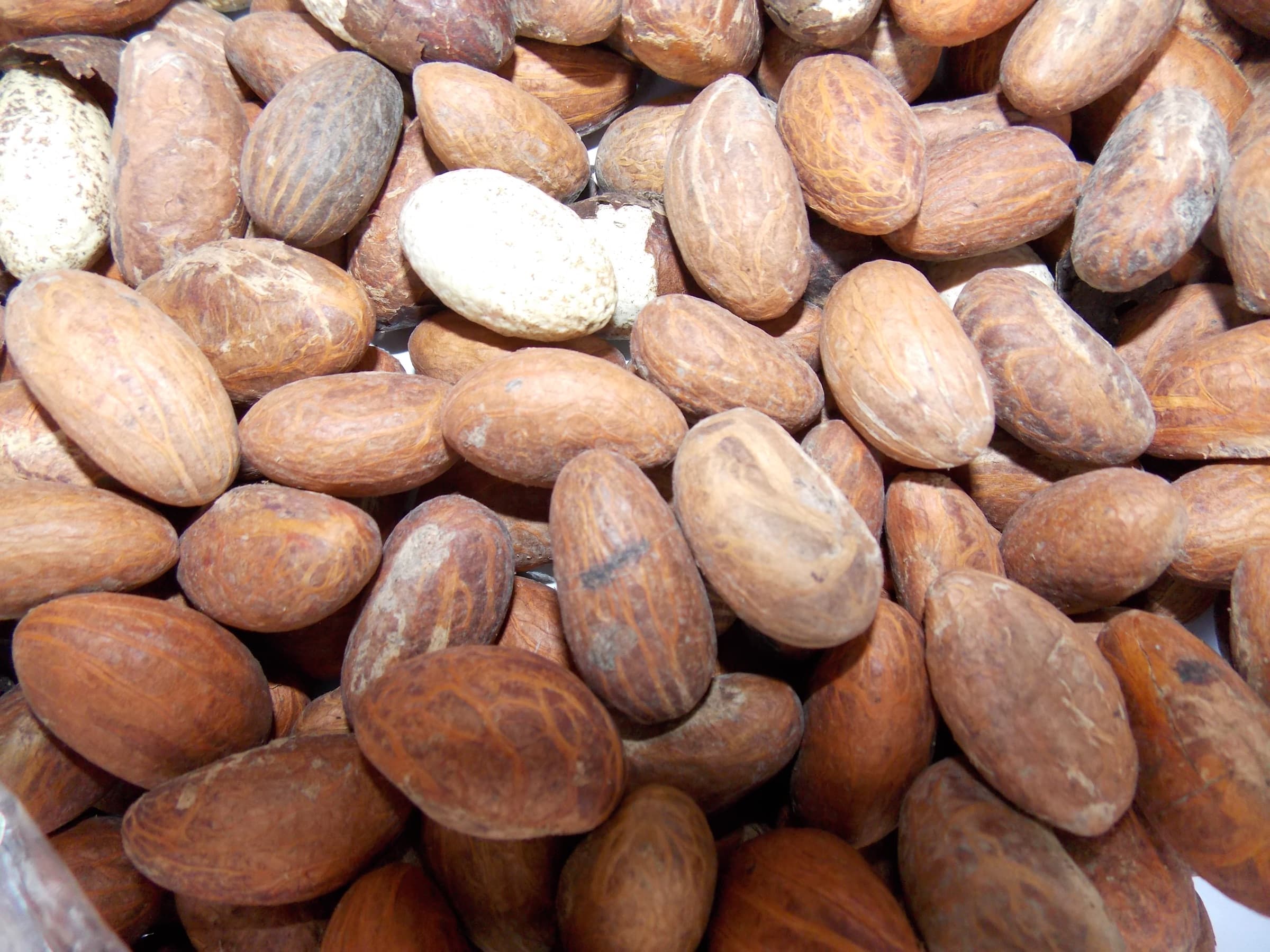
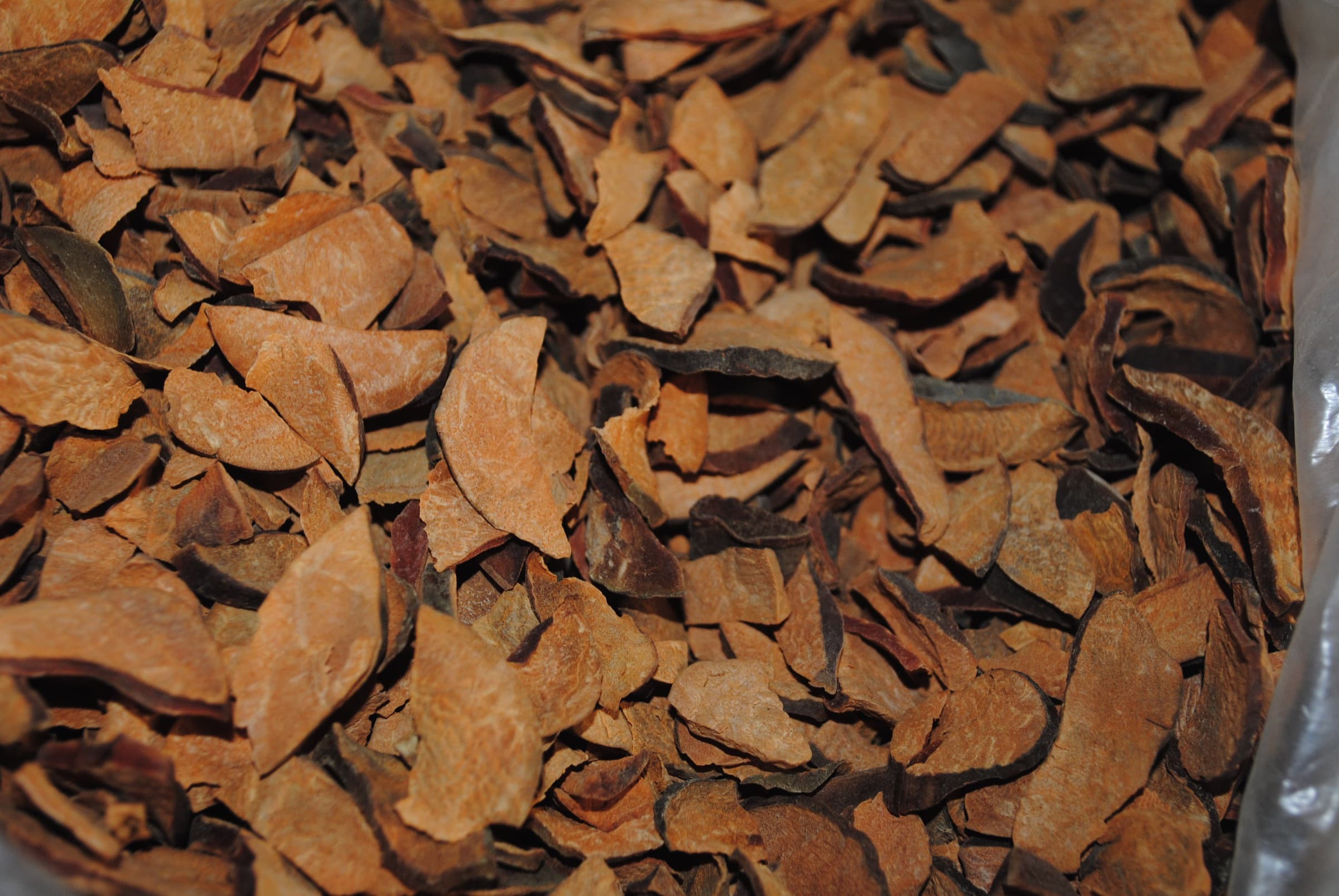
  • Fresh Cola nitida (kolanut) seeds

    Kola nuts

    Cola nitida/acuminata – Kola nut is a natural source of caffeine (1 to 3.5%) and theobromine, with catechins, that helps fight fatigue, sharpen alertness and suppress hunger. It is the traditional West African stimulant and the classic flavour behind cola beverages. Ideal for energy, performance and mental-focus products. A Filixmas core product, supplied as dried seed cuts and powder.
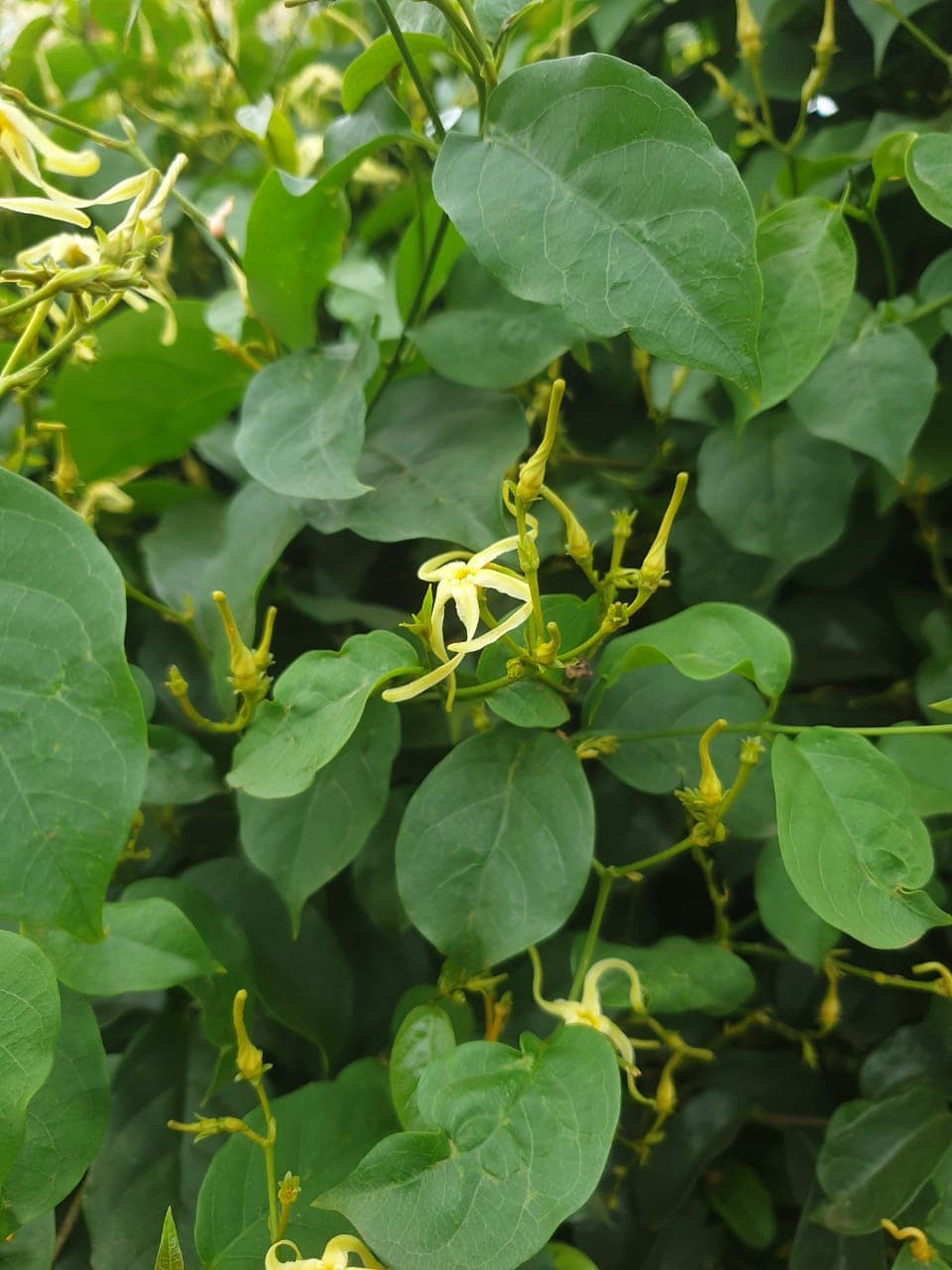
  • Cryptolepis sanguinolenta (Ghana quinine) leaves and flowers

    Ghana quinine

    Cryptolepis sanguinolenta – Ghana quinine is a leading West African antimalarial herb. Its indoloquinoline alkaloids (cryptolepine, neocryptolepine) show potent antiplasmodial and broad antimicrobial activity, and a clinical trial reported efficacy in uncomplicated malaria. Also used in treatment of lyme disease and management of cancer. Potent and cytotoxic.

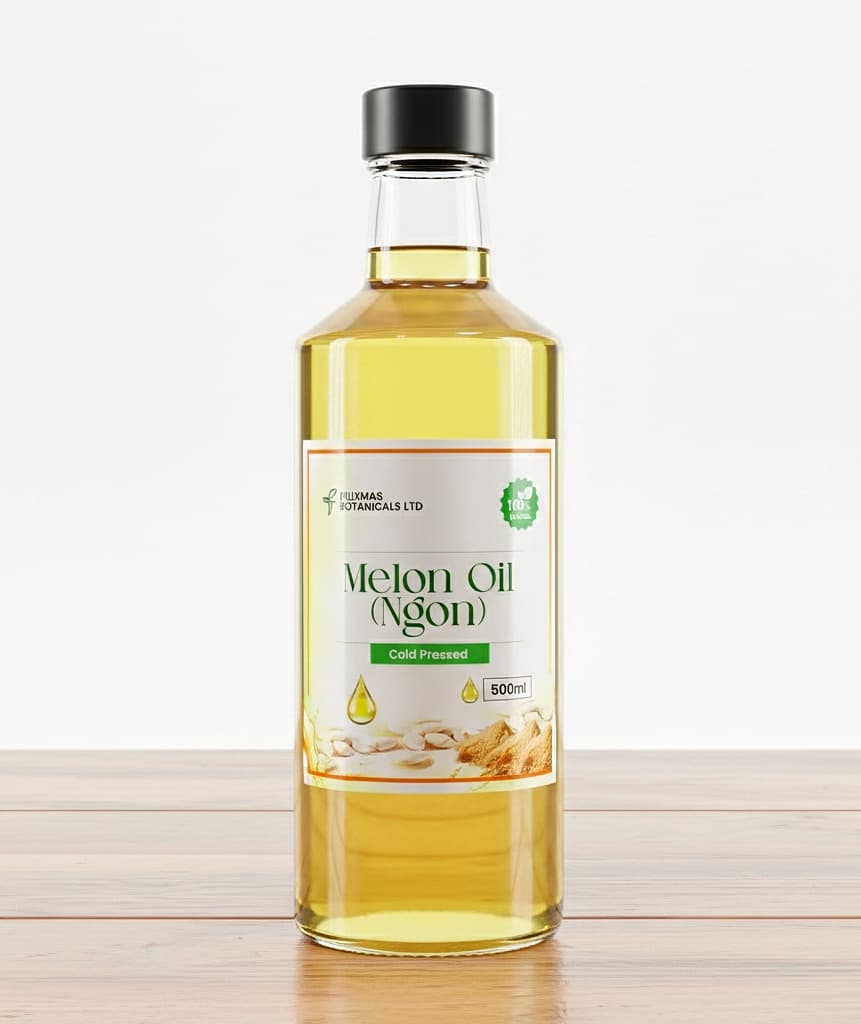
  • Bottle of Filixmas Botanicals melon oil (Cucumeropsis mannii)

    Melon

    Cucumeropsis mannii – Lightweight oil rich in linoleic acid; supports skin barrier repair and cosmetic formulation stability.

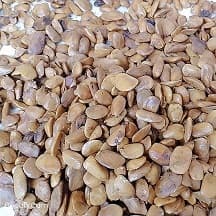
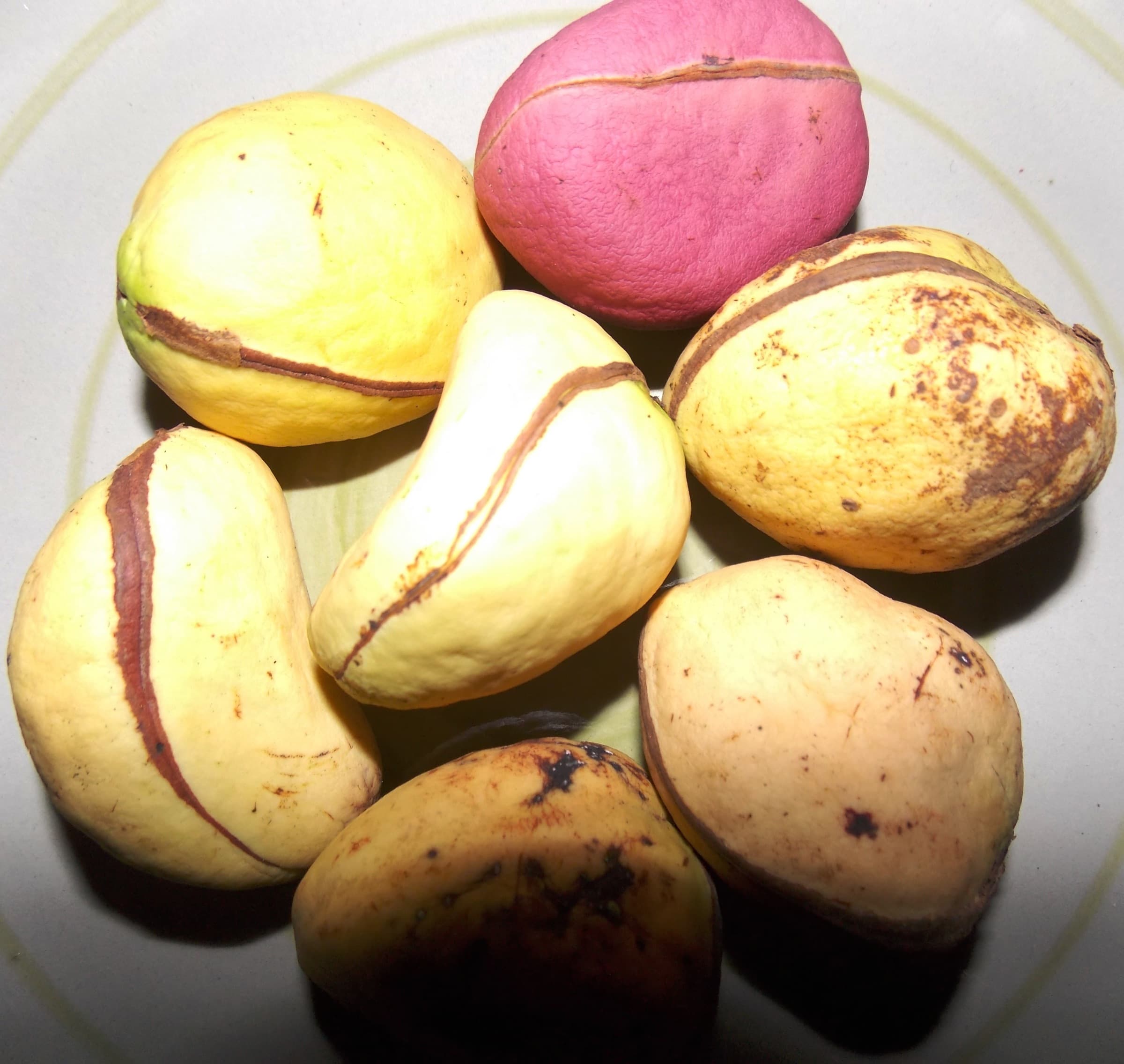
  • Garcinia kola (bitter kola) seeds

    Bitter kola

    Garcinia kola – A legendary West African tonic. Kolaviron biflavonoids (GB1, GB2) and xanthones show strong antioxidant, liver-protective, antimicrobial and anti-inflammatory activity in studies, and the seed is chewed for cough, throat and liver support, as a stimulant and as an aphrodisiac. Caffeine-free. A Filixmas core product.

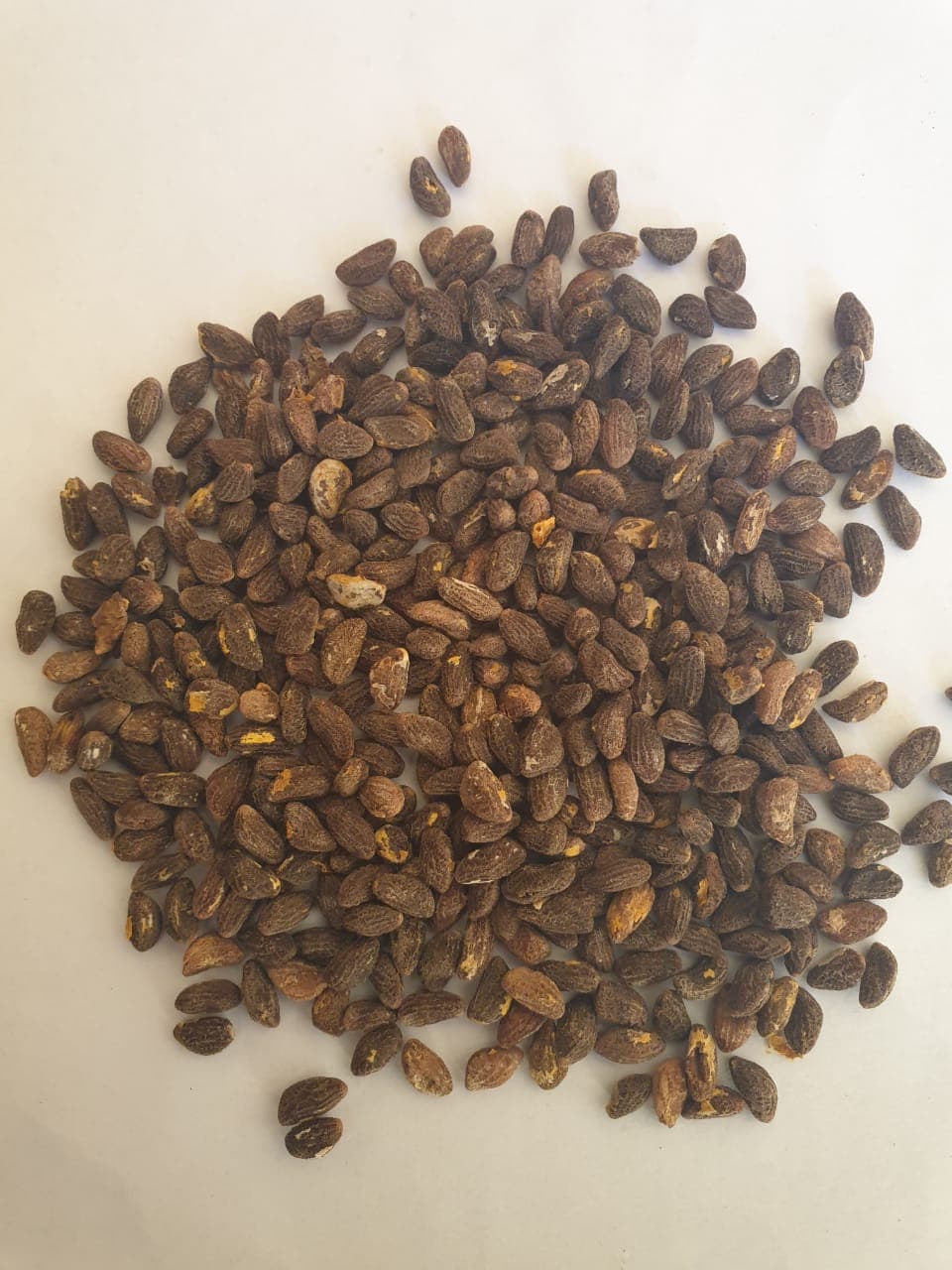
  • Voacanga africana (African voacanga) dried seeds

    African voacanga

    Voacanga africana – Voacanga seeds and bark are traditionally used as a stimulant, aphrodisiac and heart tonic, and are the commercial source of voacangine for ibogaine semi-synthesis. Potent psychoactive and cardiotoxic indole alkaloids.

  • Xylopia aethiopica (Guinea pepper) dried fruits

    Guinea pepper

    Xylopia aethiopica – Guinea pepper is an aromatic spice and postpartum tonic used for cough and digestion. Xylopic acid, kaurenoic acid and an essential oil rich in 1,8-cineole and pinenes give antimicrobial, anti-inflammatory and carminative activity. A flavour and traditional-wellness ingredient.

  • Aframomum melegueta (grain of paradise) seeds

    Grain of paradise

    Aframomum melegueta – Grain of paradise seeds deliver pungent phenolics, including [6]-paradol and [6]-gingerol, that create a warming, thermogenic effect; early studies suggest they stimulate brown-fat activity and energy expenditure. Traditionally taken as a stimulant, digestive tonic and aphrodisiac, the seeds also supply carminative essential oils that ease digestive discomfort. A popular choice for performance, metabolic and flavour applications.

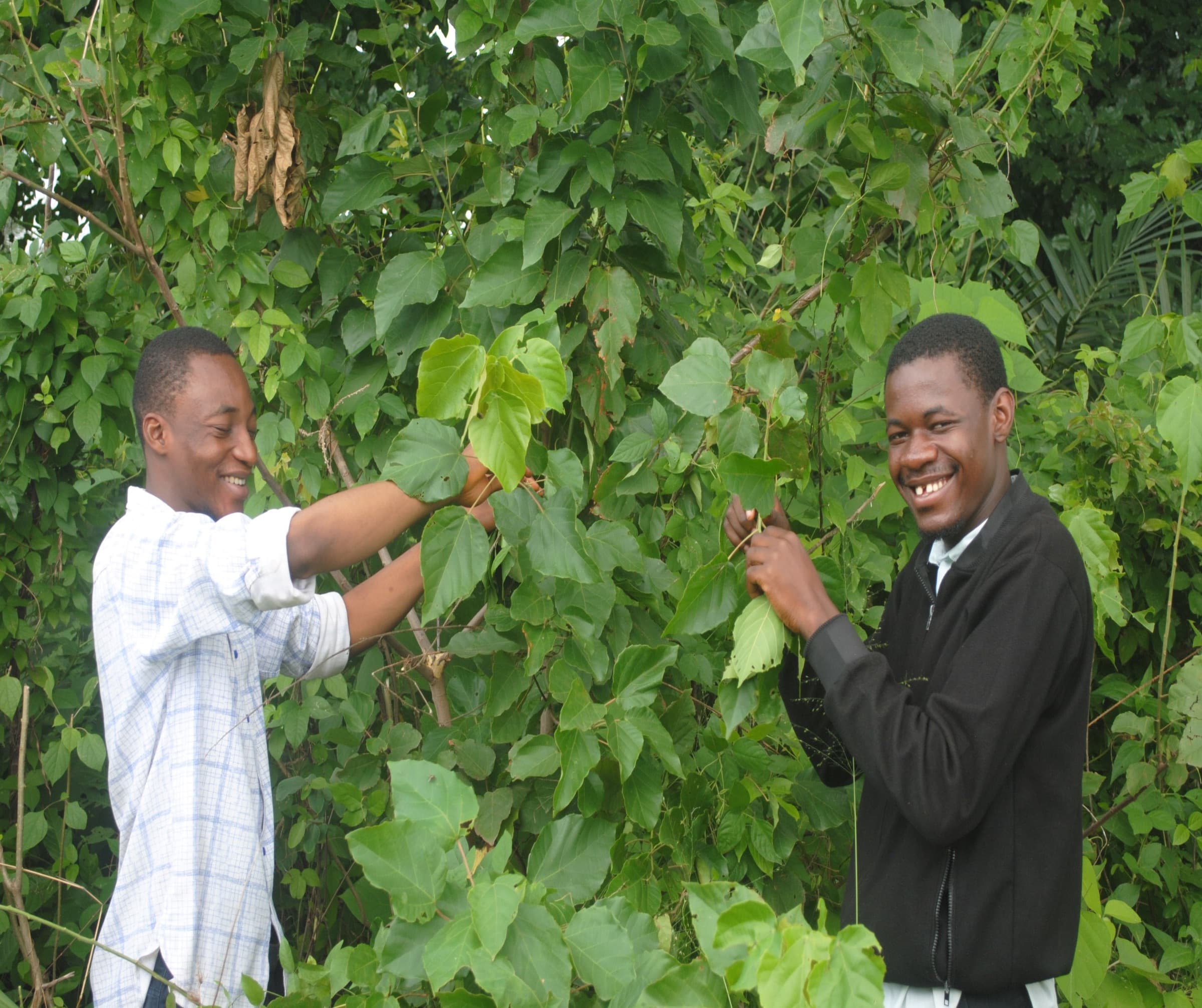
  • Wild harvesting of Alchornea cordifolia (Christmas bush) leaves

    Christmas bush

    Alchornea cordifolia – Christmas bush leaves are rich in guanidine alkaloids (alchorneine), quercetin-type flavonoids and ellagic acid, which give antioxidant, antimicrobial and anti-inflammatory activity in laboratory studies. Traditionally used for infections, diarrhoea, pain and wounds, and in some regions as a tonic and aphrodisiac for male vigour. A wild-harvested Filixmas leaf material for research and formulation.

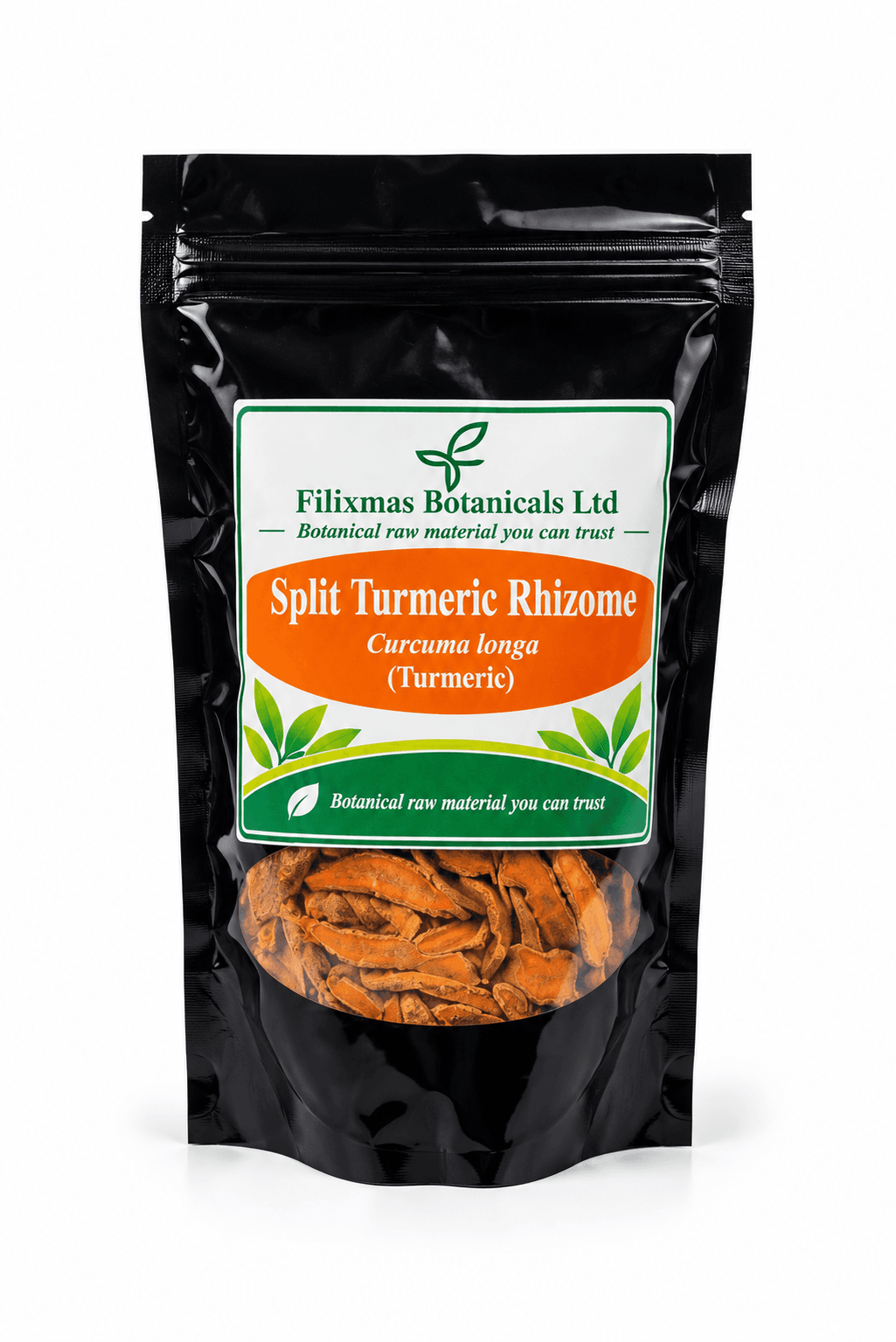
  • Pouch of split turmeric rhizome (Curcuma longa)

    Turmeric

    Curcuma longa – Supplied as rhizome.

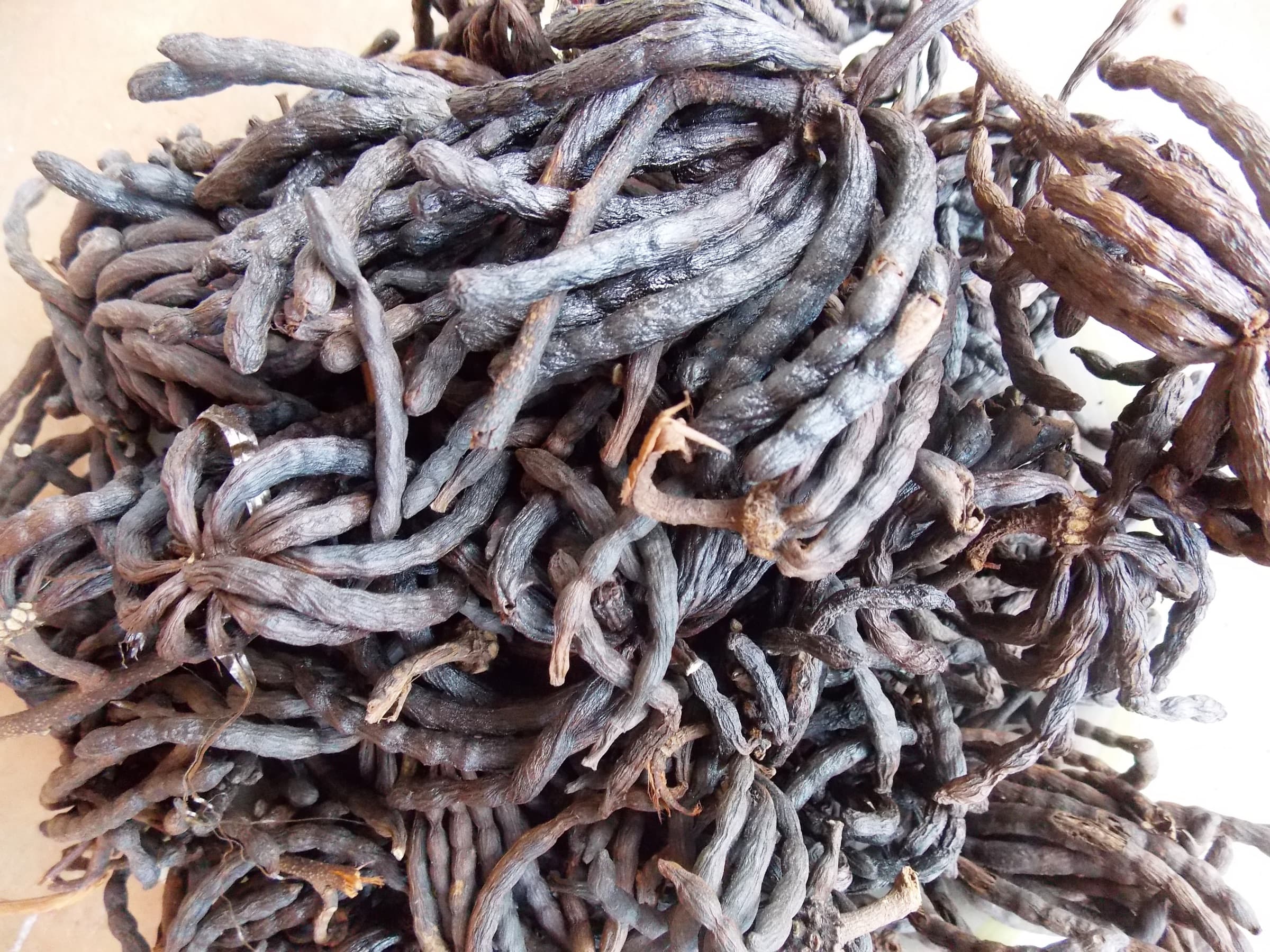
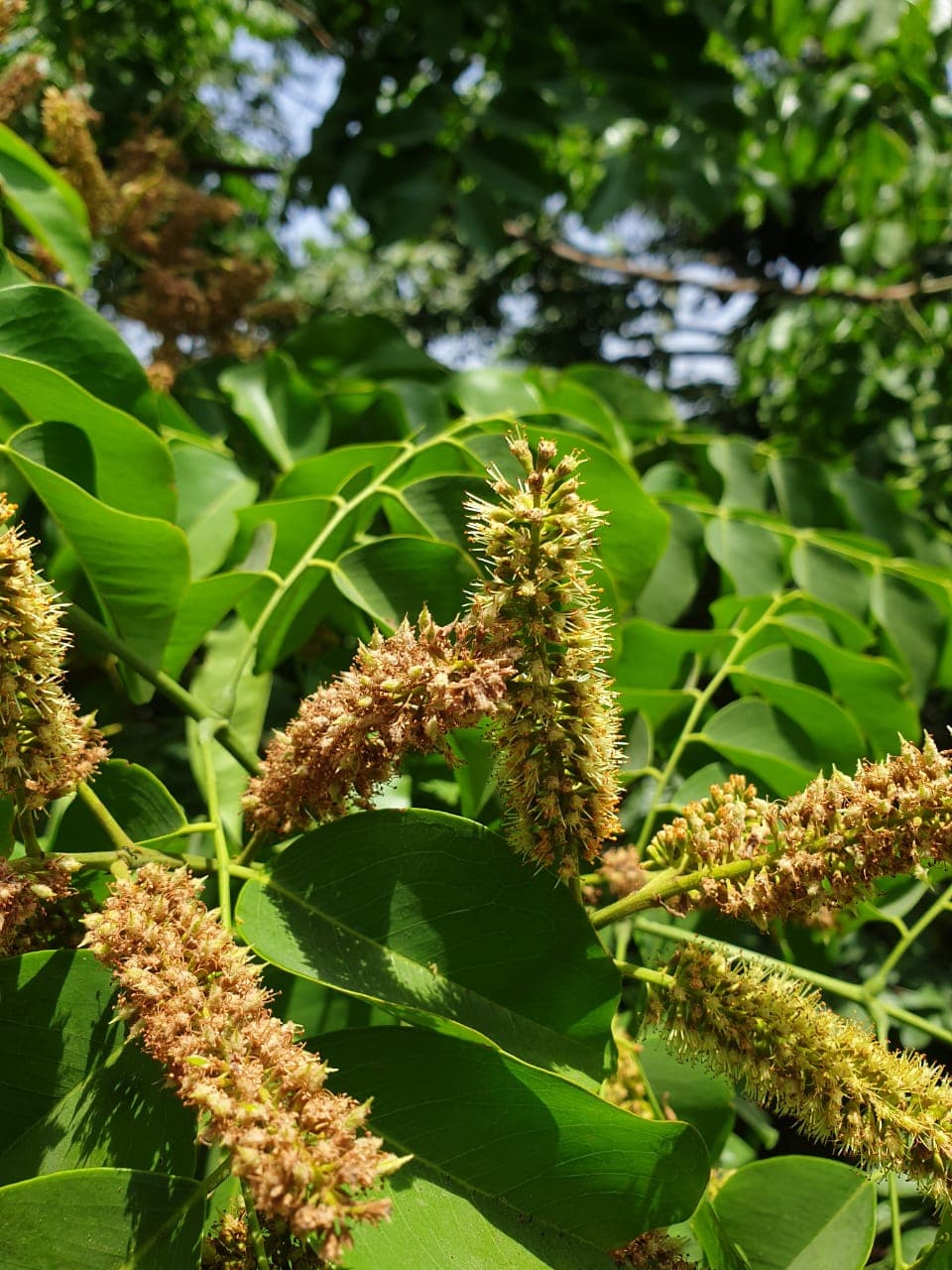
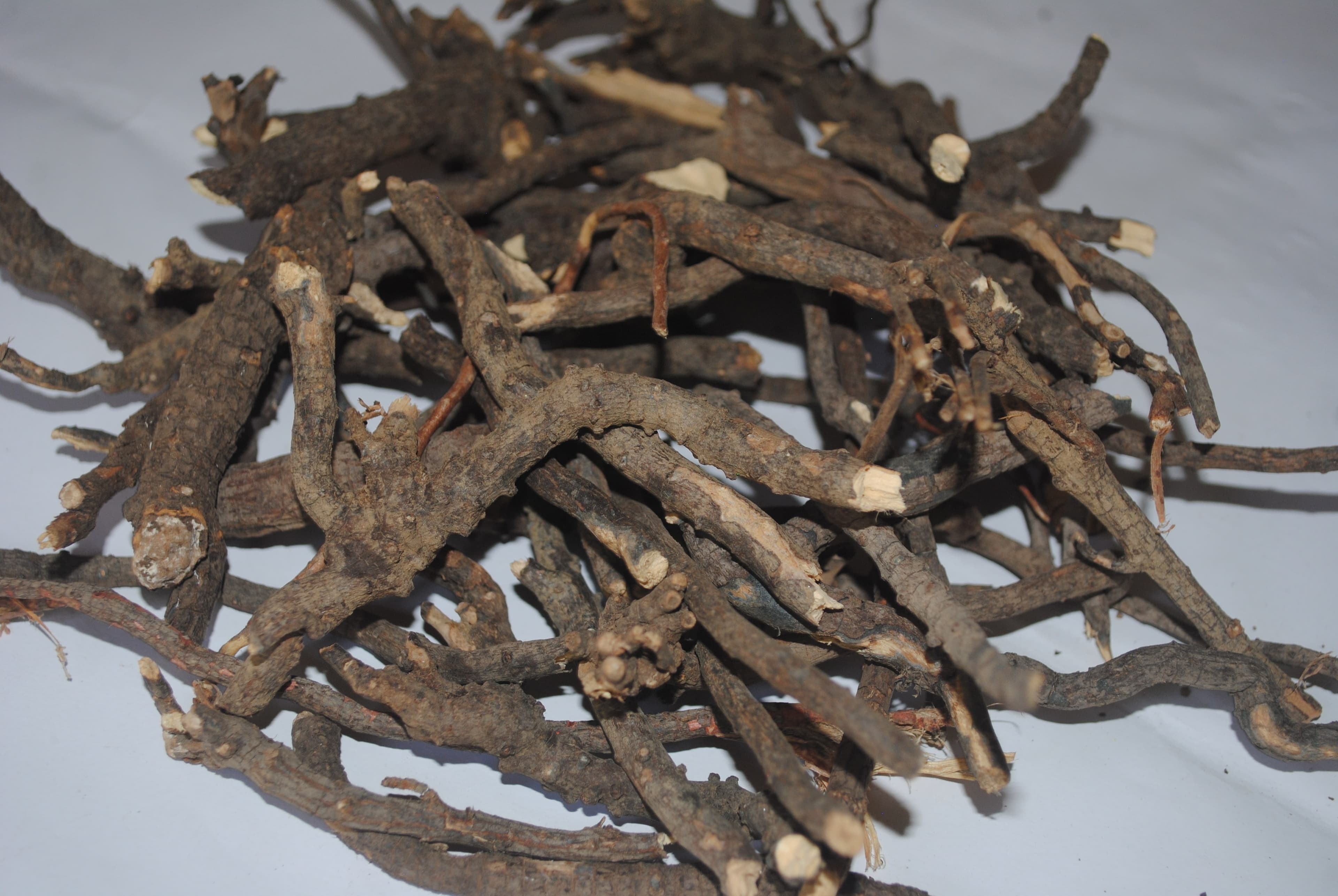
  • Fadogia agrestis (black aphrodisiac) dried roots

    Black aphrodisiac

    Fadogia agrestis – West Africa's best-known traditional male-vitality herb, used as an aphrodisiac, pro-erectile and anti-fever tonic. Its alkaloids, saponins, flavonoids and tannins give antioxidant activity, and rodent studies report increased sexual behaviour, higher testosterone-related markers and improved physical stamina, which has made it popular in libido and athletic-performance supplements.

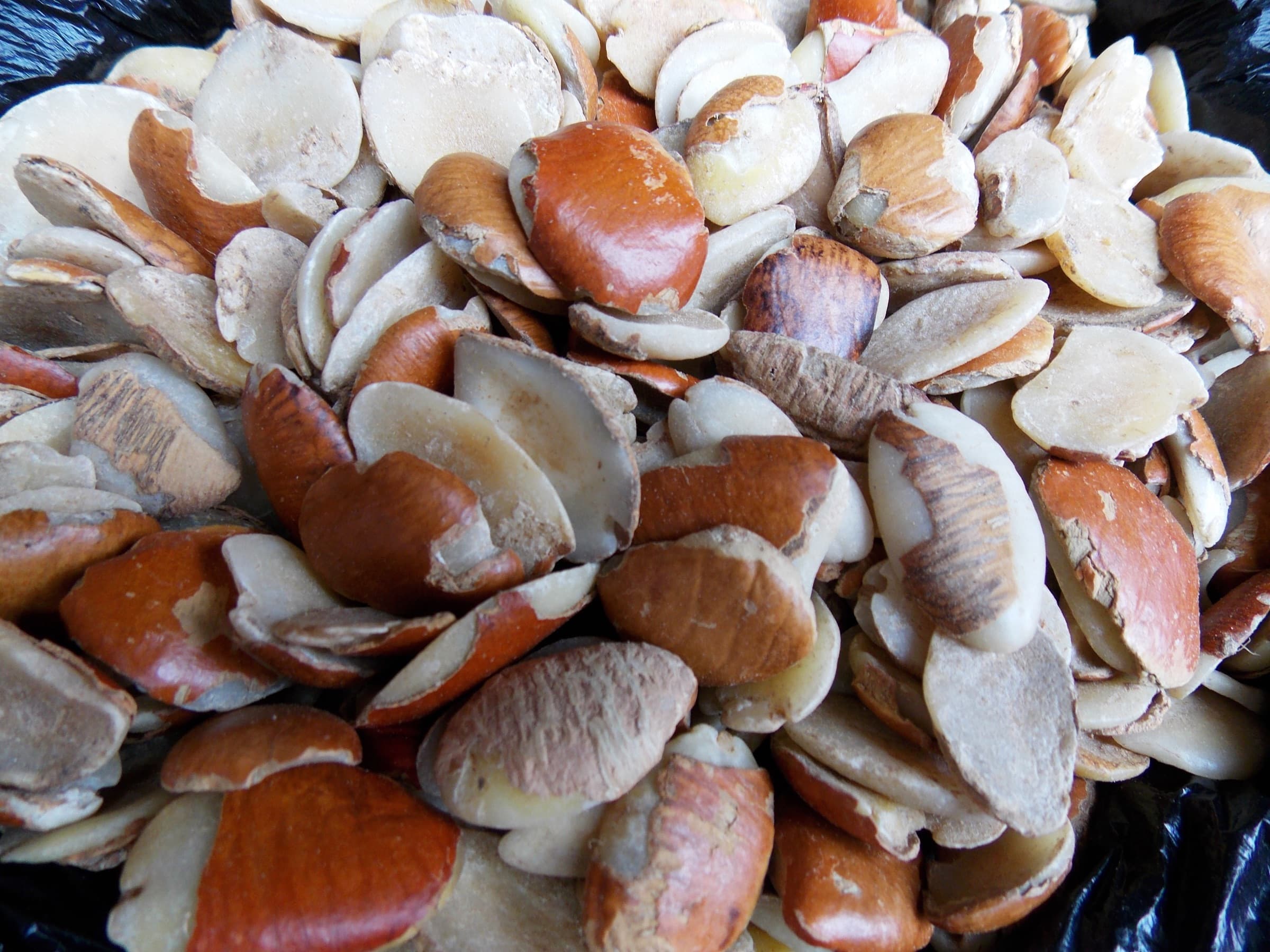
  • Irvingia gabonensis (African bush mango) dried seeds

    African bush mango

    Irvingia gabonensis – African bush mango seed is the best-known West African weight-and-lipid botanical. Small clinical trials of seed extracts report reductions in body weight, waist circumference, cholesterol and fasting glucose, attributed to soluble fibre and ellagic-acid derivatives. The seed fat (dika butter) is also a cosmetic ingredient.

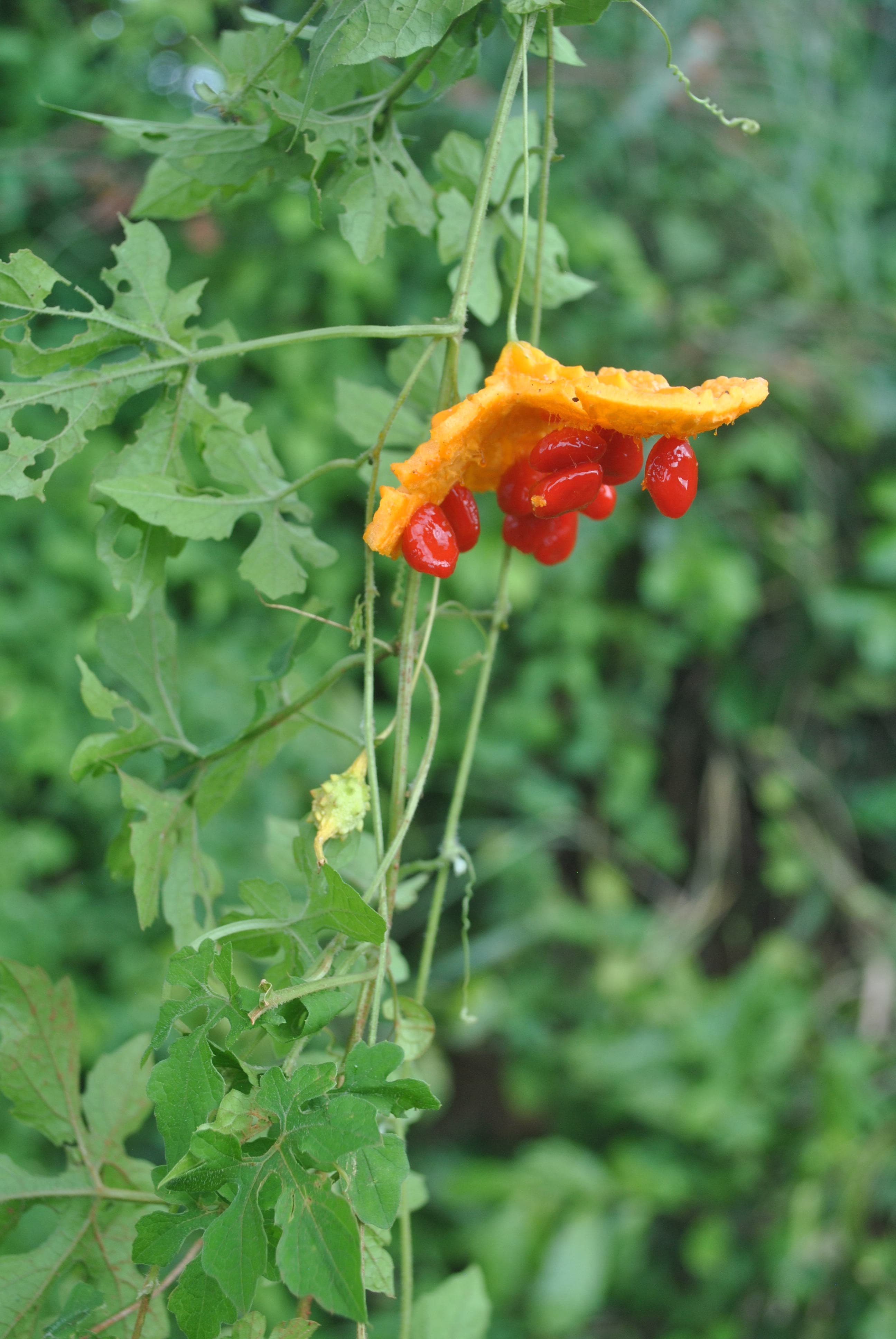
  • Momordica charantia (bitter melon) ripe fruit and seeds

    Bitter melon

    Momordica charantia – Bitter melon is widely used for diabetic support. Charantin, polypeptide-p and cucurbitane triterpenes have lowered blood glucose in animal and small human studies, with proposed AMPK activation and improved insulin sensitivity.

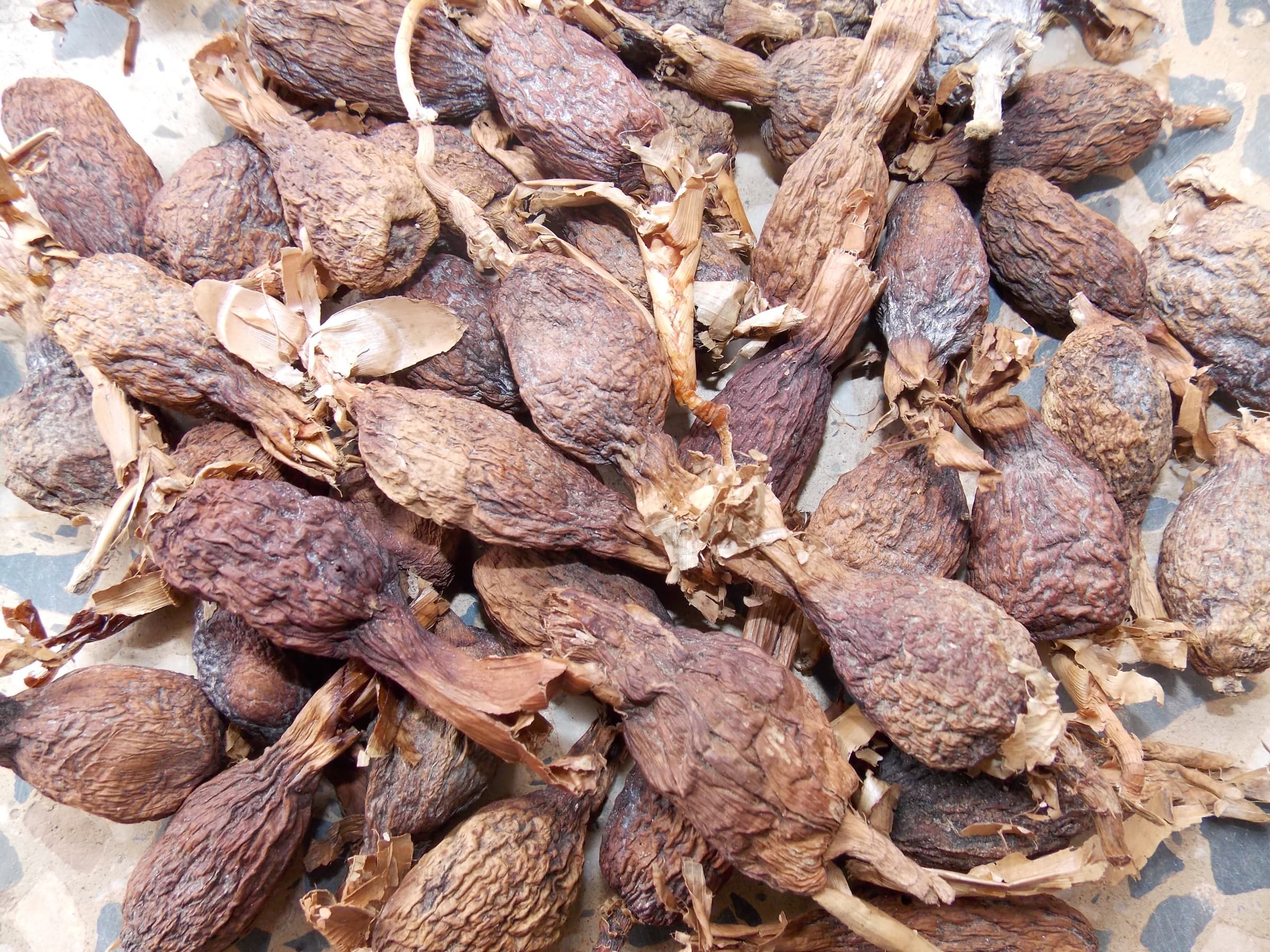
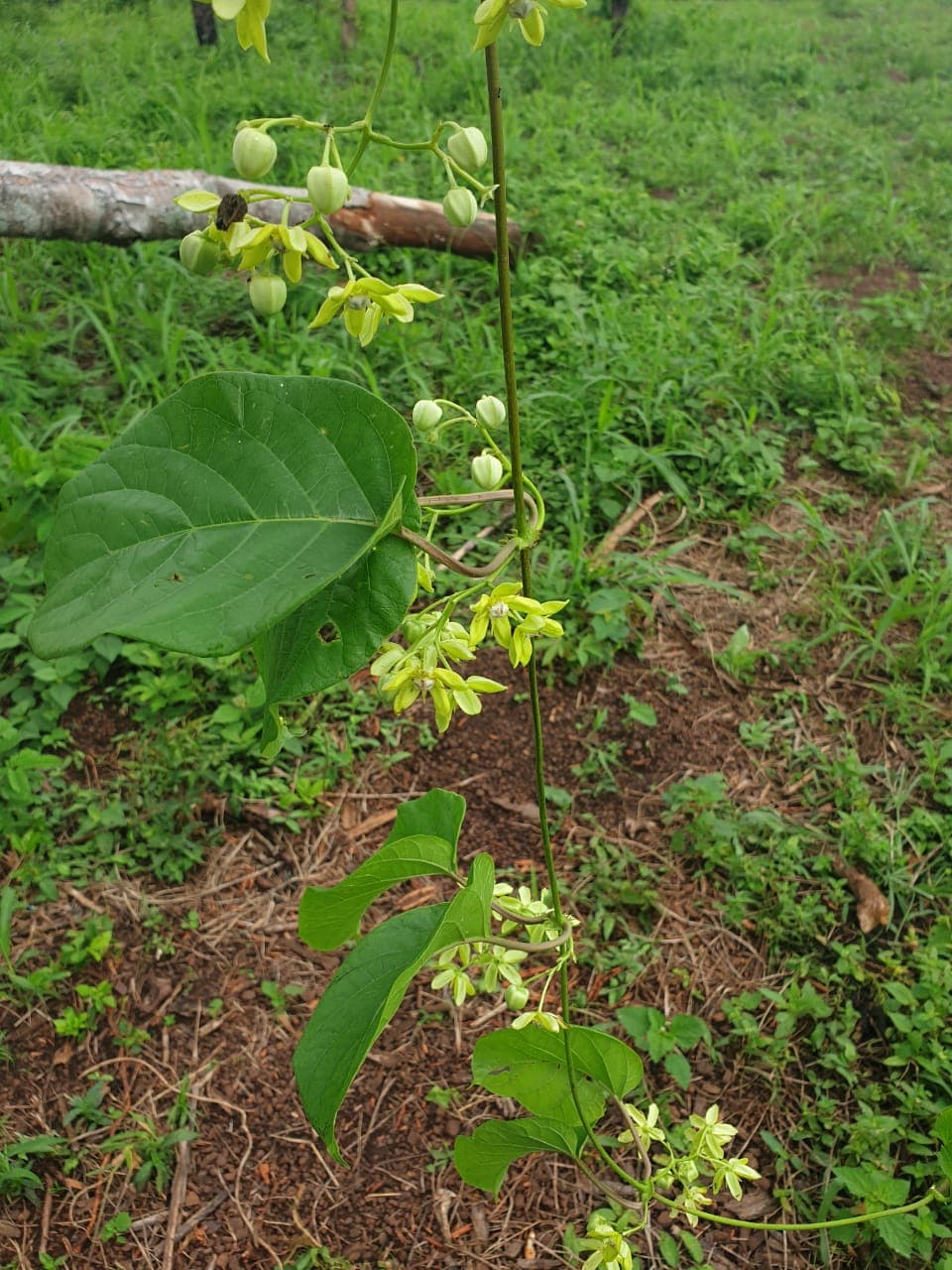
  • Mondia whitei (white's ginger) vine in flower

    White’s ginger

    Mondia whitei – White's ginger root is a traditional aphrodisiac, tonic and appetite stimulant with a vanilla-like aroma from 2-hydroxy-4-methoxybenzaldehyde. Animal studies show pro-erectile and libido-enhancing activity, and phytosterols and flavonoids add antioxidant support. A flavour and vitality ingredient.

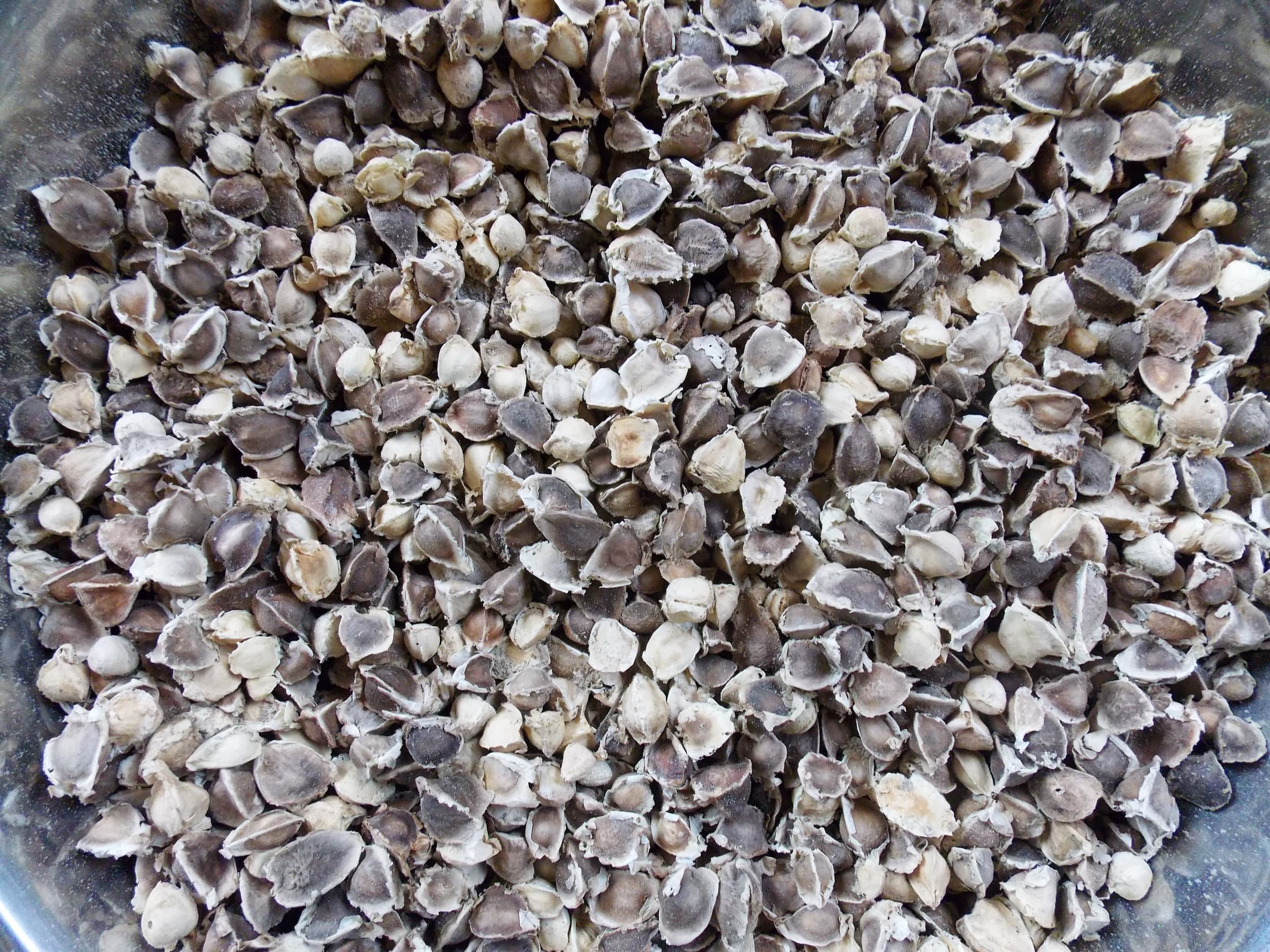
  • Moringa oleifera dried seeds

    Moringa

    Moringa oleifera – Moringa leaf is a nutritional powerhouse rich in vitamins A, C and E, calcium, iron and protein. Isothiocyanates (moringin), quercetin and chlorogenic acid provide antioxidant, anti-inflammatory and neuroprotective activity in preclinical studies, and it is studied for glycaemic support and lactation. Seed oil (ben oil) is a stable cosmetic oil.

  • Picralima nitida (Akuamma) seeds

    Akuamma

    Picralima nitida – Akuamma seeds contain indole alkaloids (akuammine, akuammidine, pseudoakuammigine) with opioid-receptor activity, which explains their traditional use for pain, fever, malaria and diarrhoea. A Filixmas core product.

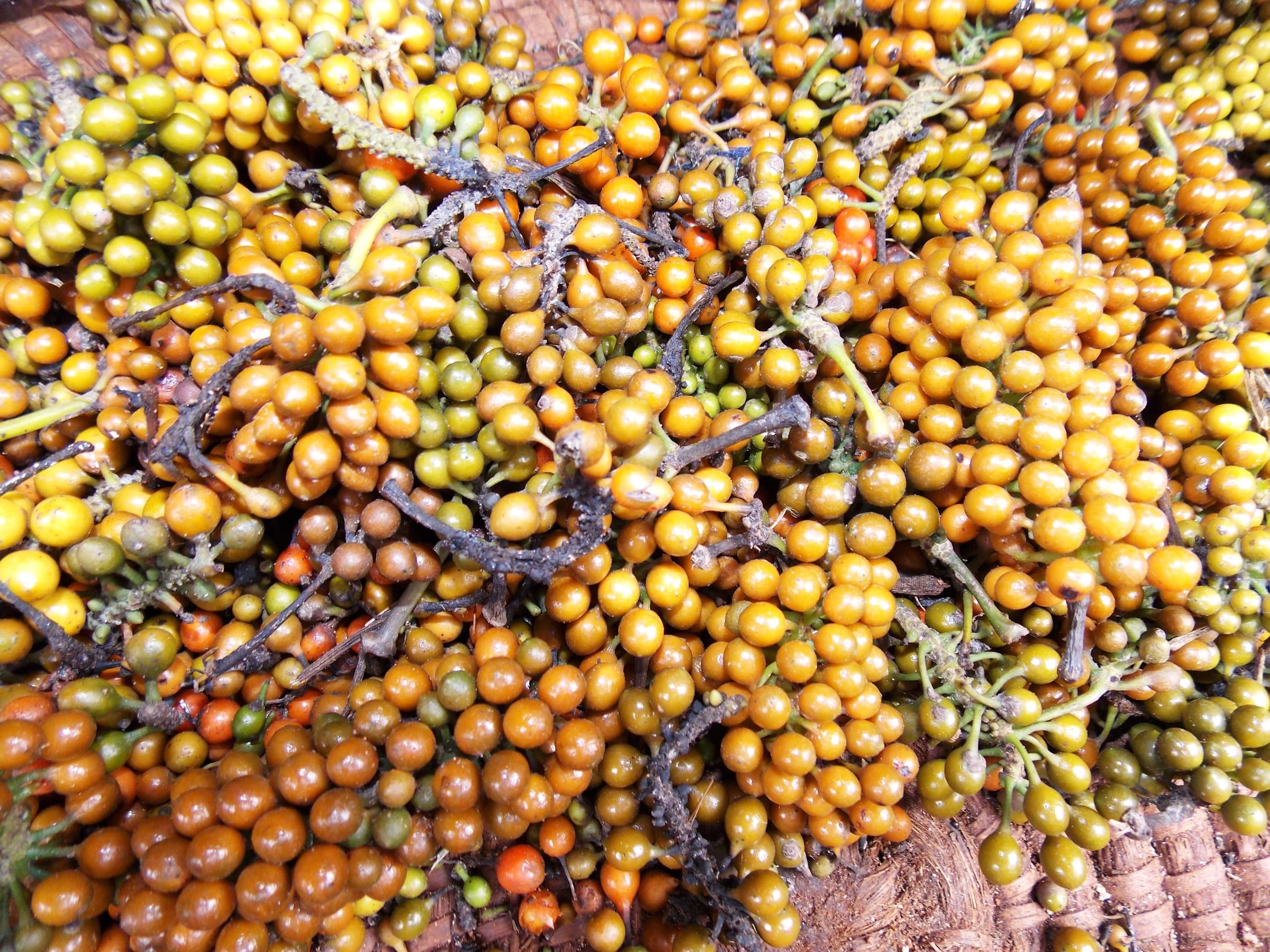
  • Piper guineense (Ashanti pepper) fruits

    African pepper

    Piper guineense – Ashanti pepper (uziza) delivers piperine and aromatic amides that stimulate digestion and give a warming, aphrodisiac effect. Piperine is also known to raise the absorption of other nutrients and compounds. A spice and bioavailability-enhancing ingredient; P. nigrum (black pepper) is a different species and can be supplied on request.

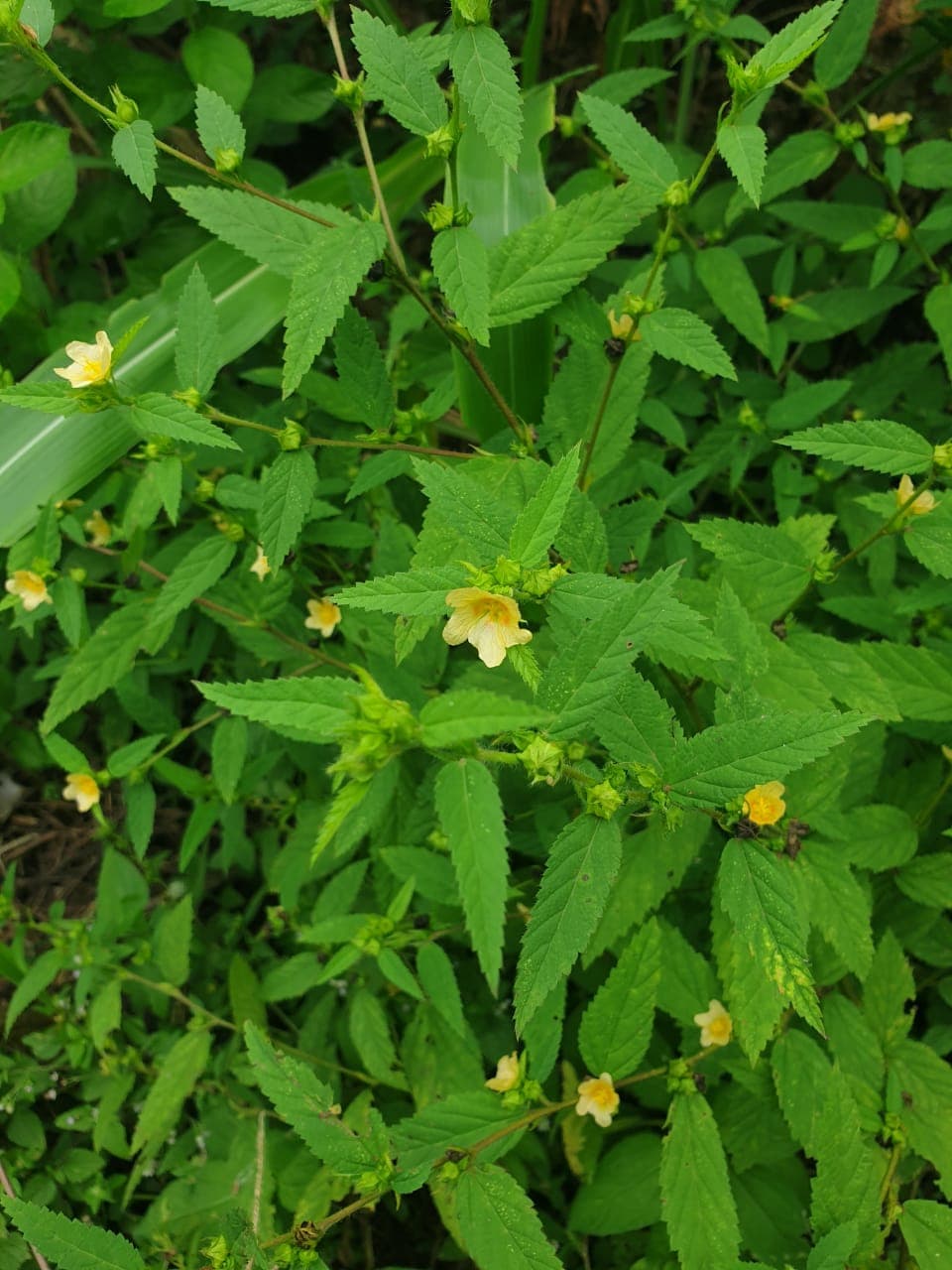
  • Sida acuta (common wireweed) leaves and flowers

    Common wireweed

    Sida acuta – Sida acuta is widely used in West African medicine for fever, malaria, ulcers and wounds. Its alkaloids (including cryptolepine and vasicine), flavonoids and phytosterols show antimicrobial, antiplasmodial, anti-inflammatory, aphrodisiac and antioxidant activity in laboratory studies, supporting its use in immune-support and fever-tonic research.

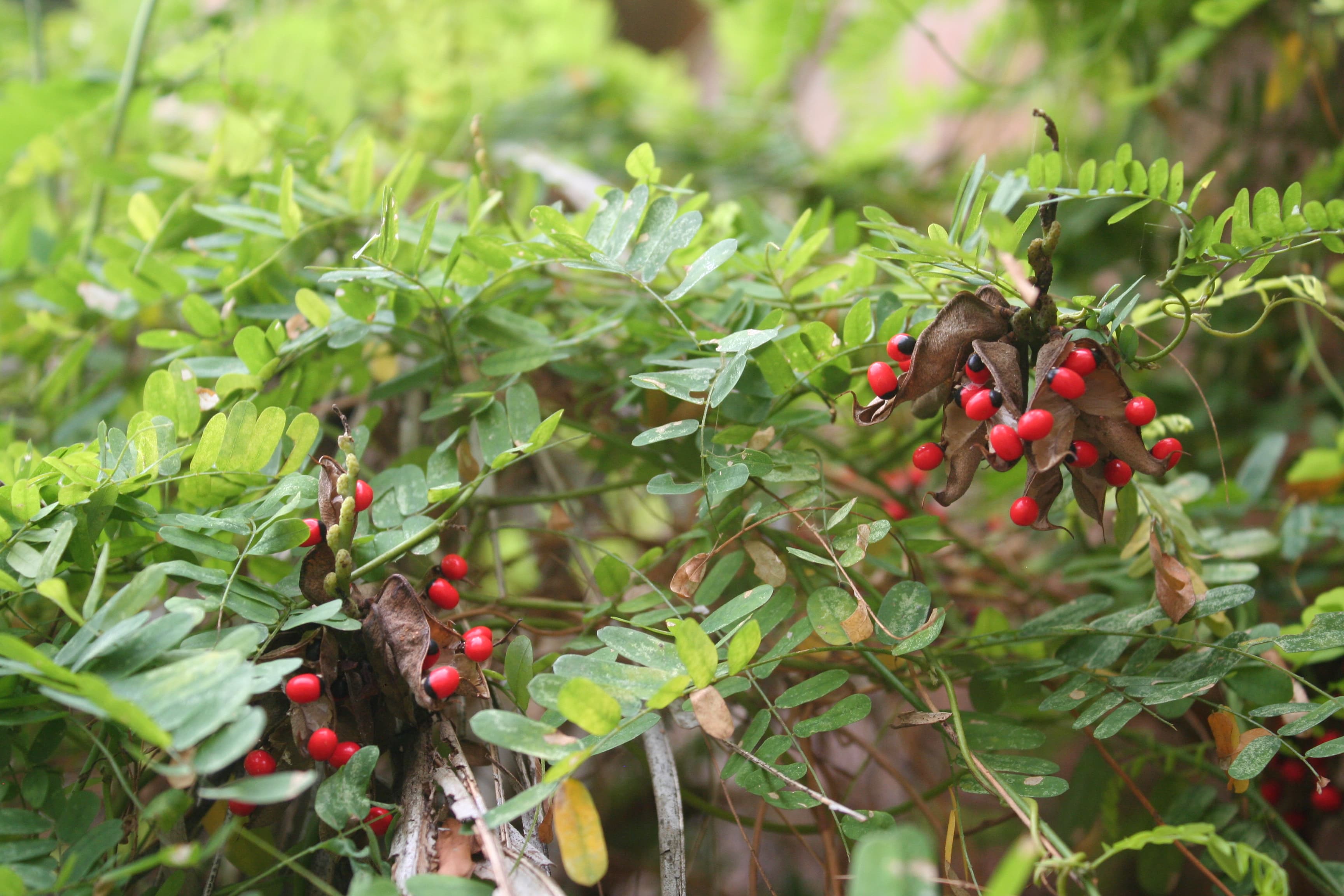
  • Abrus precatorius (rosary pea) seeds in open pods

    Rosary pea

    Abrus precatorius – Supplied as seed, leaves.

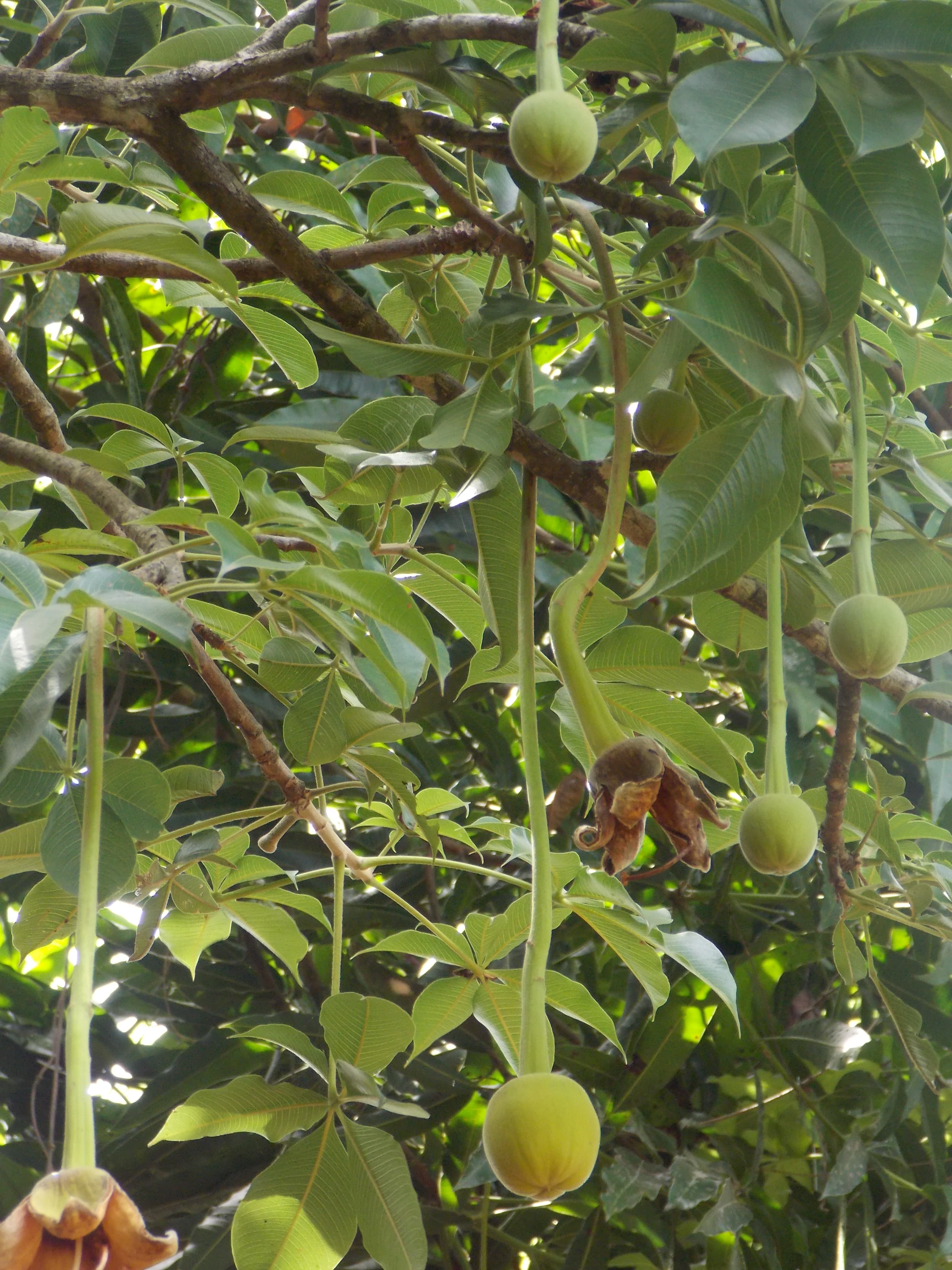
  • Adansonia digitata (African baobab) fruit hanging from the tree

    African baobab

    Adansonia digitata – Baobab fruit pulp is one of Africa's richest natural sources of vitamin C, providing antioxidant protection and supporting normal immune function and collagen formation. Its pectin-rich fibre acts as a prebiotic for gut health, while polyphenols, calcium and potassium add nutritional value. Leaves are a traditional vegetable and the seed oil is used in skin care. Dried baobab pulp holds EU novel-food authorisation.

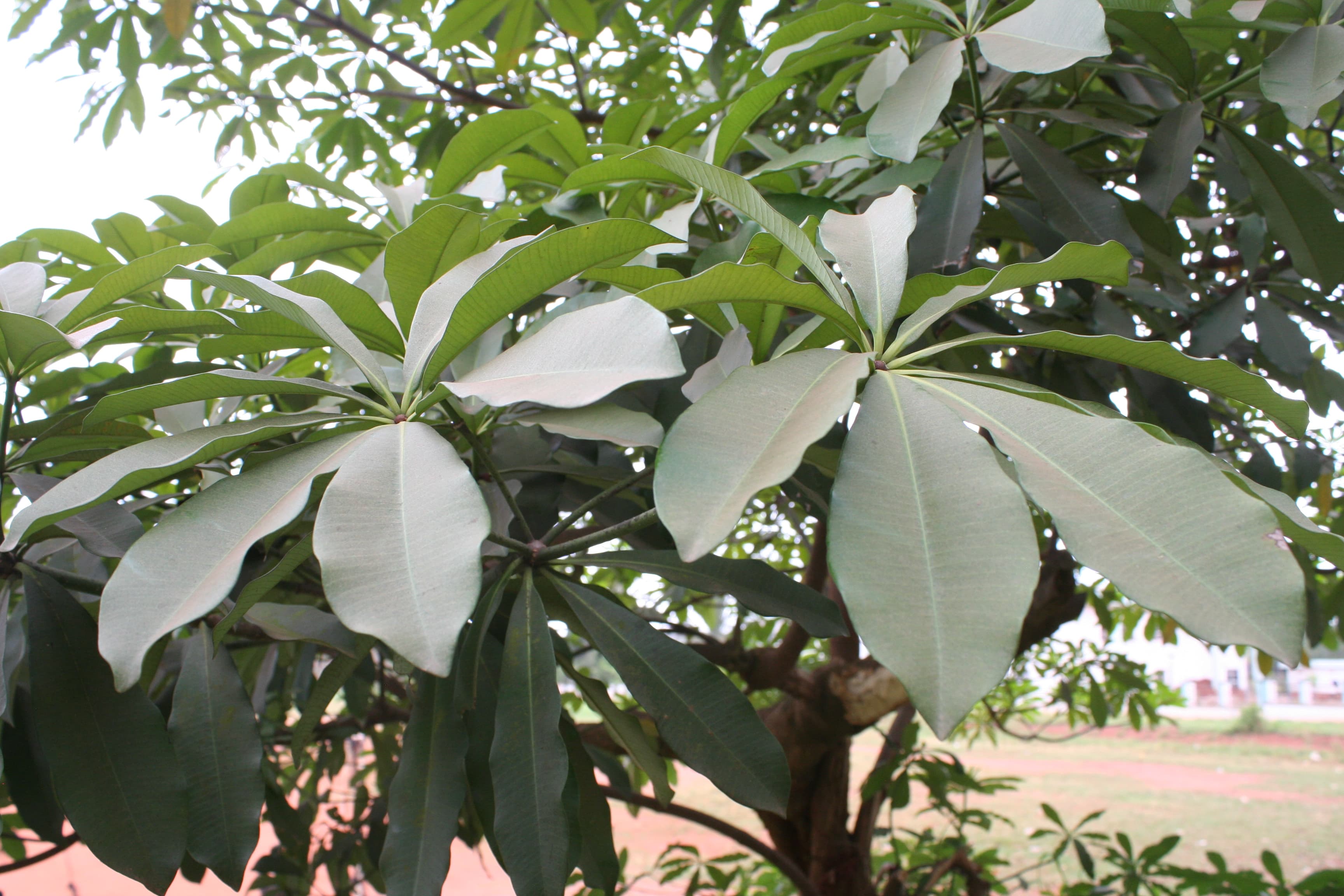
  • Alstonia boonei (cheese wood) leaves

    Cheese wood

    Alstonia boonei – Stem bark is a staple of West African traditional medicine for fever, malaria, pain and inflammation, and for stimulating lactation. Indole alkaloids (echitamine, alstonine) and triterpenoids provide antipyretic, anti-inflammatory and antiplasmodial activity in laboratory studies, supporting its use as an immune-support and fever-tonic material.

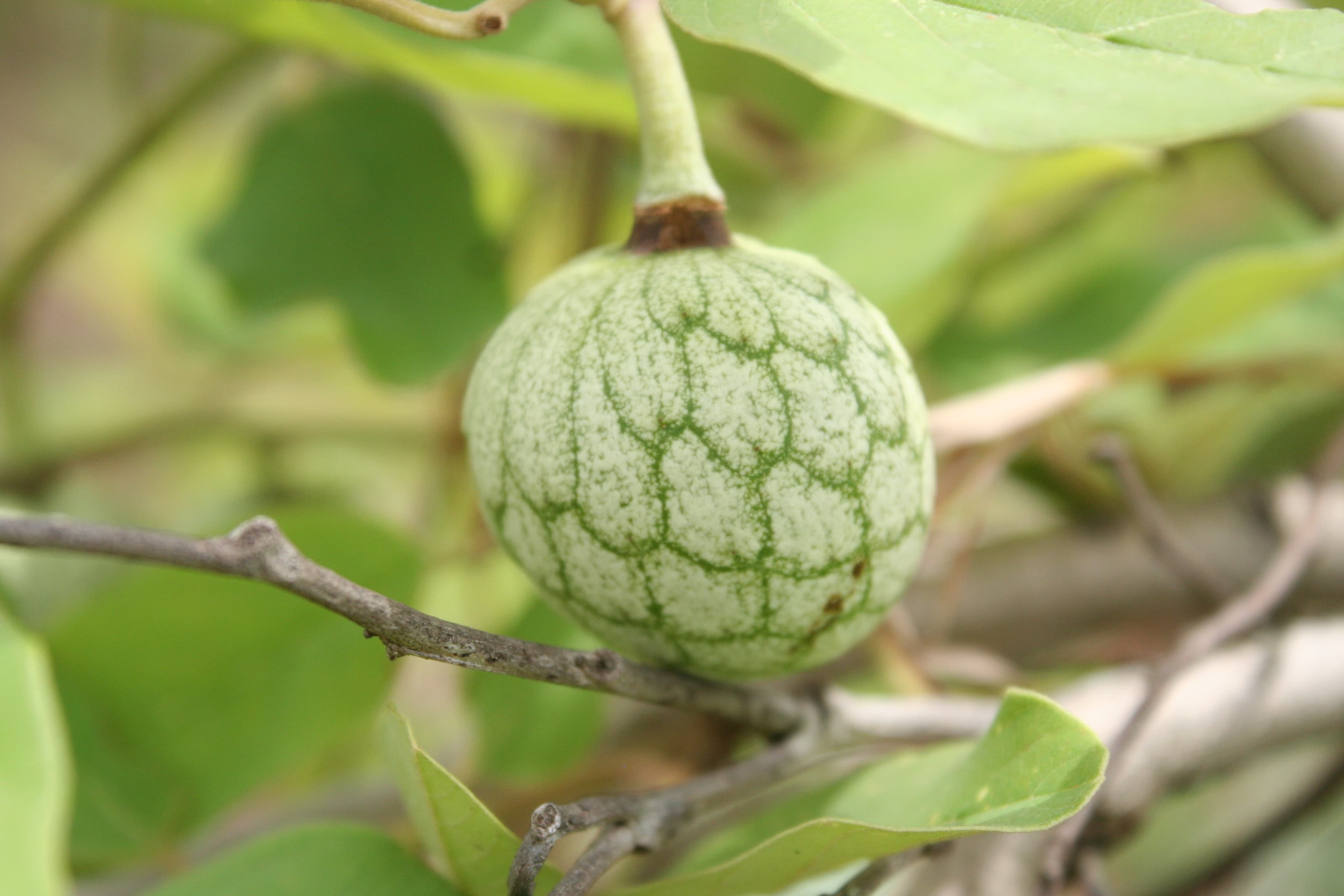
  • Annona senegalensis (African custard apple) fruit

    African custard apple

    Annona senegalensis – African custard apple leaf and root are used for wounds, cough, diarrhoea and snakebite. Alkaloids, kaurane diterpenes, flavonoids and tannins give antimicrobial, antiparasitic and anti-inflammatory activity in laboratory studies, supporting use in immune and wound-care research.

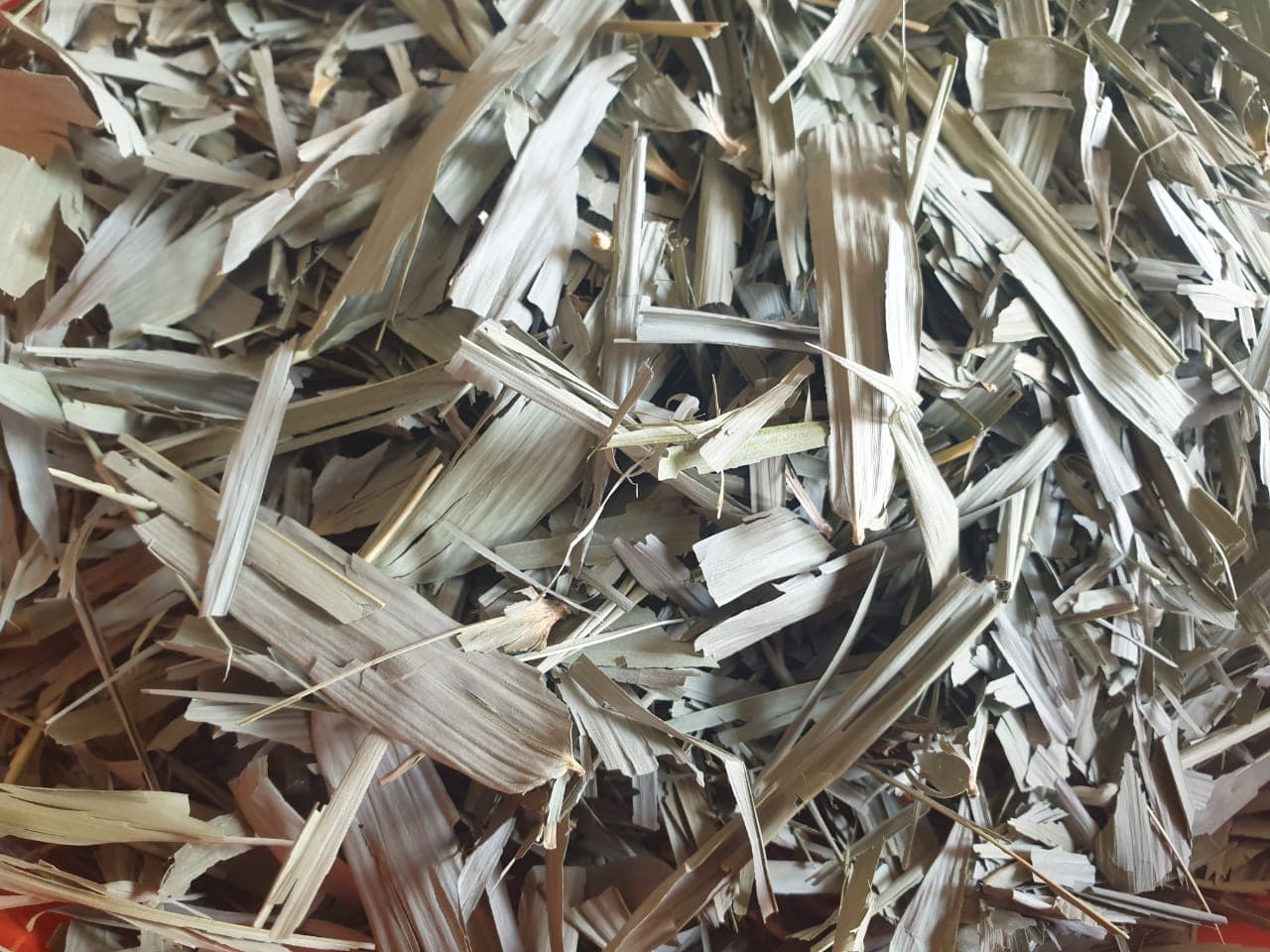
  • Bambusa vulgaris (bamboo) dried leaves

    Bamboo

    Bambusa vulgaris – Bamboo leaf and shoot are traditionally used for fever, cough, wounds and as a diuretic. Flavonoid C-glycosides (orientin, isoorientin, vitexin), phenolic acids and polysaccharides give antioxidant, anti-inflammatory and analgesic activity in studies, and bamboo is a natural source of bioavailable silica that supports hair, skin, nails and bone. A natural for beauty-from-within and general-wellness formulations.

Can’t find it?

Looking for a specific botanical?

We are conversant with the West African flora. Tell us the material, quantity and destination you need and we will check availability.